
✨ Have you ever stood in front of your mirror and wished for a brighter, more even-toned face without spending hundreds on skincare products? What if the secret was hiding in your bathroom cabinet all along? That humble tube of Colgate toothpaste, paired with a squeeze of fresh lemon juice, has taken the internet by storm. Countless users claim it can whiten your skin, reduce acne, and give you that fresh-from-the-facial look. But is it a beauty breakthrough or a recipe for disaster?
Let’s dive into this intriguing, slightly controversial beauty trend and reveal everything you need to know—how it works, how to do it safely, and why you might think twice before trying it.
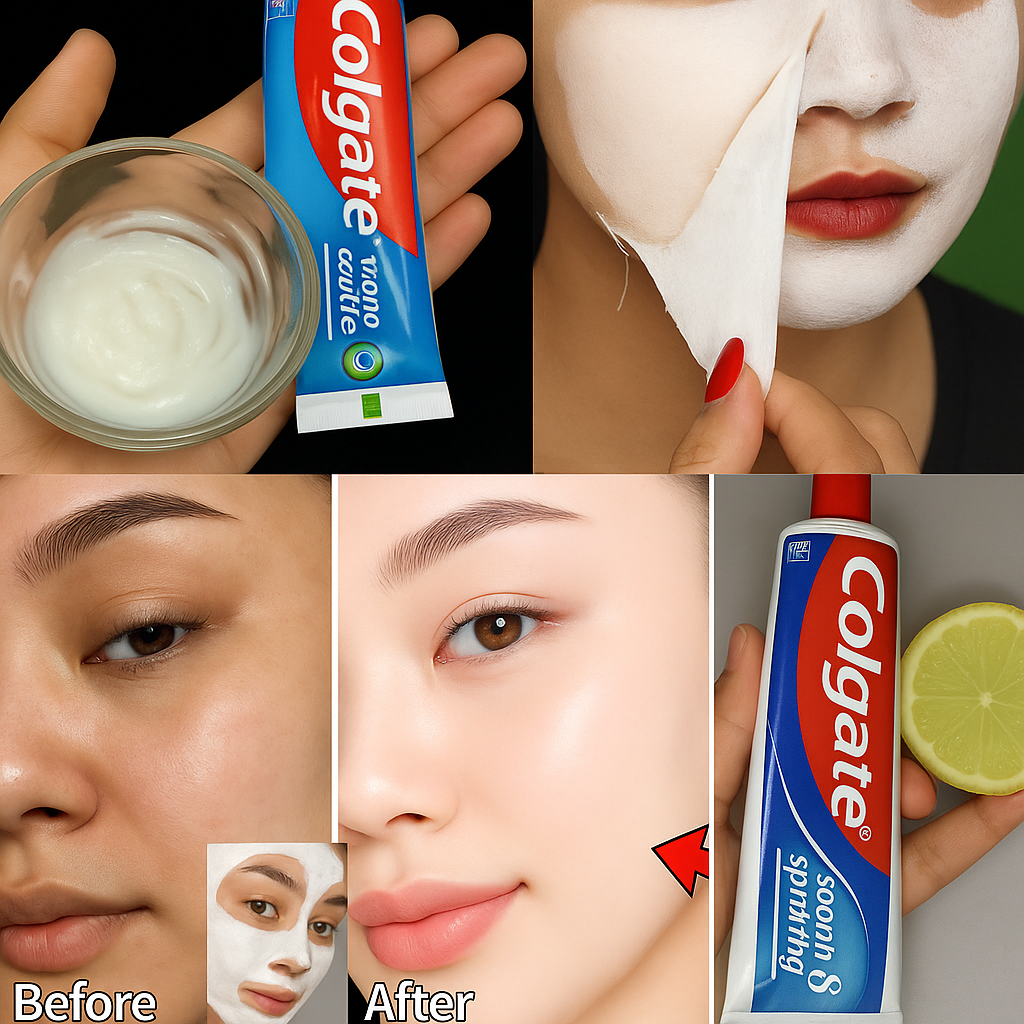
💡 What’s Behind the Buzz: Why Toothpaste and Lemon?
Colgate toothpaste, especially the classic white version, contains a mix of ingredients originally designed to clean teeth—but some of them may offer short-term skin benefits. We’re talking about components like baking soda, hydrogen peroxide, triclosan, menthol, and fluoride. These ingredients are known for their antibacterial, cleansing, and oil-drying properties.
🍋 Now add lemon juice into the mix—rich in vitamin C and citric acid. This tangy fruit has long been used in DIY skincare for its exfoliating, brightening, and antibacterial effects. When you combine the two, the result is a powerful paste that promises to:
✨ Brighten dull skin
🧼 Clean out clogged pores
🛑 Dry out pimples
🧴 Reduce dark spots
🧽 Exfoliate dead skin cells
Sounds too good to be true? That’s because it just might be.
🔥 The Viral Recipe: How People Are Using Colgate and Lemon
Here’s how this DIY trend is being done across beauty blogs and social media tutorials:
🧴 Ingredients:
• 1 teaspoon of white Colgate toothpaste (avoid colored or gel versions)
• ½ teaspoon of freshly squeezed lemon juice
• Optional: a pinch of turmeric for extra anti-inflammatory power
🔁 Directions:
• Mix all ingredients in a small clean bowl.
• Apply the paste gently onto a clean face, focusing on dark areas or acne spots.
• Leave it on for just 5 to 10 minutes—no more.
• Rinse off thoroughly with lukewarm water.
• Finish with a soothing moisturizer to calm your skin.
Sounds simple, right? But here’s the twist: while some users rave about a “glow-up” after one use, others warn of painful breakouts, redness, or even burns.
⚠️ The Hidden Risks: What No One Tells You
Here’s the honest truth. Toothpaste was never designed for skin. And lemon, while natural, is highly acidic. Using them together on your face can lead to:
❌ Burning or stinging sensations
❌ Extreme dryness or peeling
❌ Redness and irritation
❌ Increased sensitivity to sunlight
❌ Disrupted skin barrier
For those with sensitive skin, eczema, or rosacea, this combo can cause more harm than good. Even for oily or acne-prone skin, frequent use can strip away your natural protective oils—making your skin worse over time.
📌 Quick Skin Doesn’t Mean Healthy Skin
Sure, you might see a temporary improvement. Your pimples might shrink. Your face might look clearer for a day. But that doesn’t mean your skin is healthier. In fact, these effects often come from harsh drying and inflammation—not real healing.
🌿 Natural Doesn’t Always Mean Safe
Lemon juice has natural brightening properties, yes. But without proper dilution and protection, it can make your skin photosensitive. That means even a few minutes in the sun after applying it can trigger dark spots, irritation, or even sunburn.
🧪 What Experts Say
Dermatologists around the world agree on one thing: toothpaste belongs on your teeth, not your skin. The same goes for lemon—it’s better suited in your tea or salad dressing than directly on your face. While it may seem like a fast fix, it’s not a long-term skincare strategy. Professionals recommend using products specifically formulated for facial skin—those that maintain pH balance, hydration, and protect your skin barrier.
💆 So Why Do People Still Try It?
Because let’s face it—when you’re struggling with acne, dull skin, or pigmentation, you’ll try almost anything. Especially if it costs less than $2 and takes just 10 minutes. And for some people, it might even seem to work the first time.
But here’s the key—don’t confuse short-term effects with long-term results. Just because something tingles or dries out a pimple doesn’t mean it’s actually healing your skin.
📷 Social Media vs. Reality
Those before-and-after photos circulating online? Many of them are filtered or shot under flattering light. A real skincare routine is consistent, nourishing, and patient. There’s no magic overnight solution—only long-term care that respects your skin’s delicate nature.
✨ If You Still Want to Try It…
At the very least, follow these precautions:
✅ Do a patch test first. Apply a small amount behind your ear or on your wrist and wait 24 hours.
✅ Avoid using the mask on broken or irritated skin.
✅ Do not exceed 10 minutes of application time.
✅ Never use this more than once a week.
✅ Wear sunscreen daily if you use lemon on your face.
✅ Always moisturize after rinsing off.
💬 Real Alternatives You Can Trust
If you’re looking for natural skin brightening remedies that are safer and more nourishing, here are some great alternatives:
🥥 Plain yogurt with honey – gentle exfoliation and hydration
🍯 Turmeric and aloe vera – calm inflammation and fade dark spots
🥒 Cucumber and green tea – soothe irritated skin
🌿 Oatmeal and milk – cleanse, soften, and brighten naturally
These ingredients are not only skin-friendly but also backed by centuries of traditional skincare practices.
❤️ Final Thoughts: Glow Safely, Not Desperately
The allure of a fast fix is strong. Who wouldn’t want to wake up with glowing skin after a quick mask? But when it comes to your face, being gentle is far more powerful than being aggressive.
Colgate and lemon might give you a temporary glow, but they can also create long-term damage. Your skin deserves care, not punishment.
If you want results, build a skincare routine based on love, patience, and ingredients that work with your skin—not against it. Because true radiance doesn’t come from burning your face. It comes from respecting it.
📝 Disclaimer: This article is for informational purposes only. It does not replace professional medical or dermatological advice. Always consult a qualified expert before starting new skincare routines.